
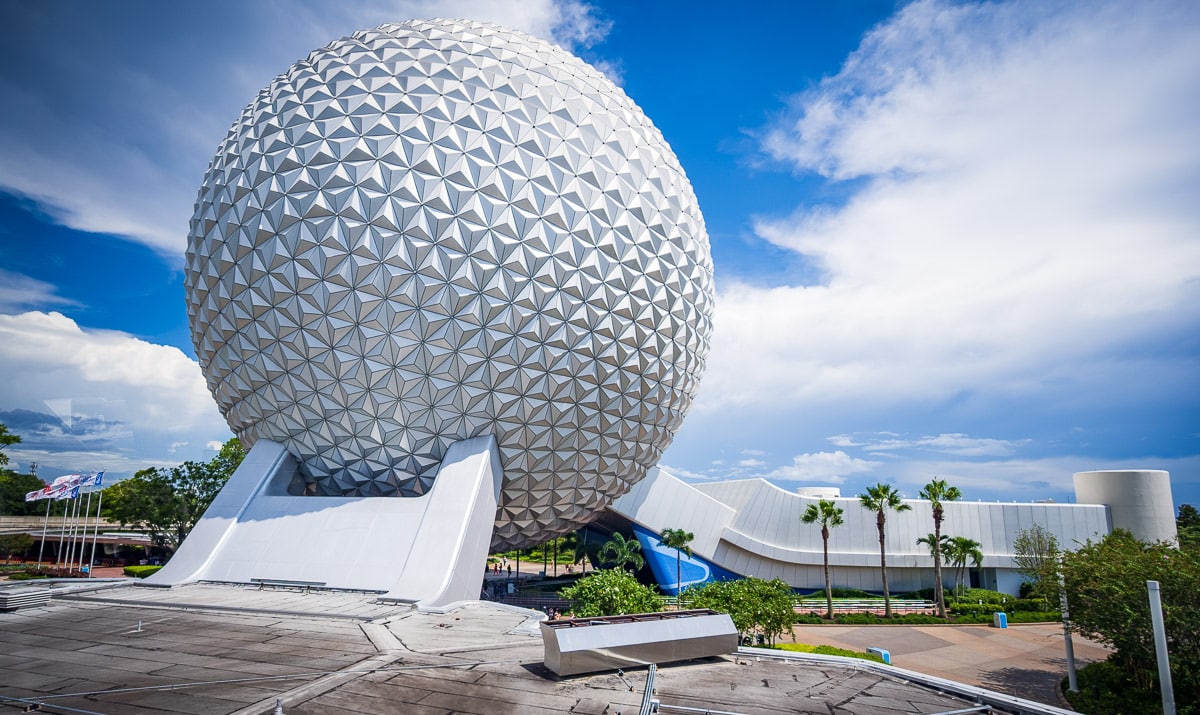
Photo courtesy of DisneyTouristBlog.com
If you can read this, thank the Phoenicians
I moved into another aspect of my writing, focusing on the concept of time. We know that time runs chronologically, obviously, while also assuming that God is outside of time, eternal. What we may not consider is that time moves.
In researching the expansion of the universe, Father Georges LeMaitre proposed that galaxies and other celestial objects were not the only bodies moving from a single point in space, the “singularity” as astronomers call it. The Good Priest posited that time and space expand as well. In 1933, a New York Times article depicted this idea as a soap bubble. Just as a soap bubble expands as air pressure within the bubble falls with a definitive boundary marked by surface tension, so too does space and time move with the universe. In my musings concerning cosmology, the Bible, and spirituality, I demonstrate this idea another way:
Imagine being in a classroom with a half-dozen students standing randomly away from one another, each representing a galaxy. We instinctively believe that the classroom depicts the universe, a space, in fact, that exists well beyond the confines of the room. If we have the students walk slowly apart, we imagine them moving through space.
Now imagine that the boundaries of the universe don’t extend beyond the room or even the walls of the room, but fall just at the point where the most distant student is standing. As the students move apart from each other, space and time are moving with them but don’t extend beyond them. We are not moving deeper into outer space, so much as we are all pilgrims moving away together from the universe’s point of origin.
To most scientists, this idea is not novel. To us amateurs, it is breathtaking. Time has a fixed beginning when God created all things in the beginning, but we don’t ever think of time and space as that which expands with us. Hugh Ross, astronomer and apologist, notes that when the Bible says that “God stretches the heavens” in such texts as Isaiah 40:22, the verb is one of continuous action and includes time and space. In his published dissertation on creation, Baptist pastor Daniel Vestal wrote, “Time is a creation of God, just as space and matter are creations of God. Time had a beginning, and time will have an end . . . in His sovereign will He governs time; and He will eventually end time” (Vestal, 62).
My research into time has moved me in a different direction, not heavenward, but a descent into the deep places across the globe, with the 2019 publication, Underland, by Robert Macfarlane. Macfarlane’s thesis is that the earth holds within it a record of “deep time” that spans millions of years. Venturing to the depths of the earth, from caves to watery abysses, he writes of nature’s beauty, complicated history, and eventual fate.
At one point in the book, he turns insular, considering how we are contributing or detracting from this geological record, a “palaeontology of the present” he calls it, in which he wonders whether humanity will make decent ancestors to generations that follow. He writes,
What signatures our species will leave in the strata! We remove whole mountain tops to plunder the coal they contain. The oceans dance with hundreds of thousands of tons of plastic waste, slowly settling into sea-floor sediments. Weaponry tests have dispersed artificial radionuclides globally. The burning of rainforests for monoculture production sends out smog-palls that settle into the soils of nations. A nitrogen spike, indicated in ice-cores and sediments, will be one of the key chemical insignias of the Anthropocene, caused by the mass global use of synthetic nitrogen-rich fertilizers and by fossil-fuel burning. Biodiversity levels are crashing worldwide as we hasten into the sixth great extinction event, while the soaring number of a small number of livestock species ensures the geological posterity in the fossil record of sheep, cows and pigs. We have become titanic world-makers, our legacy legible for epochs to come (Macfarlane, 76).
As I study time’s expansion and how it may inform our relationship with God, each other, and our eternal, historical narrative, Macfarlane has forced my hand in considering how our presence plays out while living on Spaceship Earth. As one of my church members often says, “We cannot be so heavenly minded that we are no earthly good.”
If we see time as a limited resource with boundaries, then perhaps we will consider how best to use time as a gift in which our care for the earth’s resources will bless the next generation. How will our understanding of time and space shift the balance of power in which decisions are no longer reserved for the next election cycle, but for the seventh generation and beyond (as indigenous people have stressed for years)?


Leave a Reply